In the footsteps of St. John the Baptist

In the footsteps of St. John the Baptist

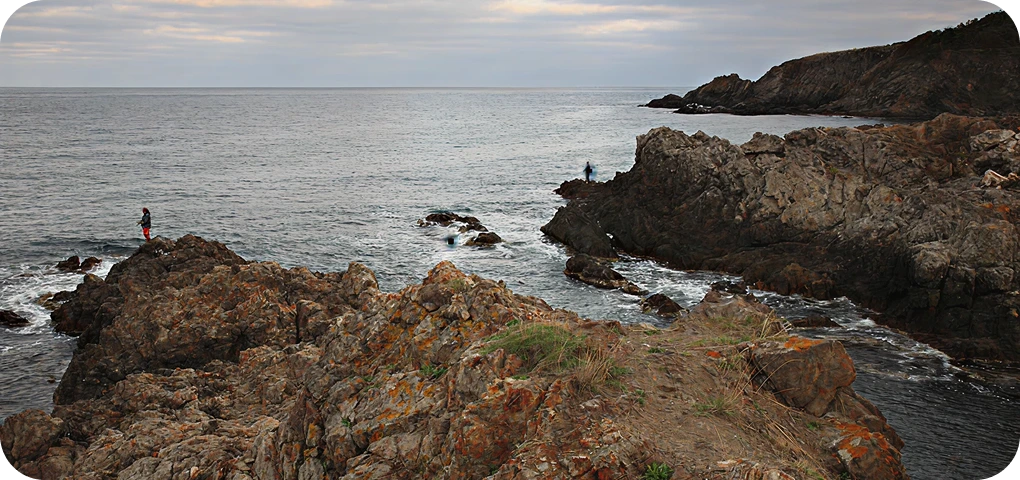
The most interesting discovery in recent years was made not on the peninsula in Sozopol, but on one of the nearby islands, St. Ivan. The island bears its name from the Middle Ages, when there was a monastery dedicated to John the Baptist. Initially, it was the summer residence of the Byzantine Patriarchs, and later a Bulgarian royal monastery.

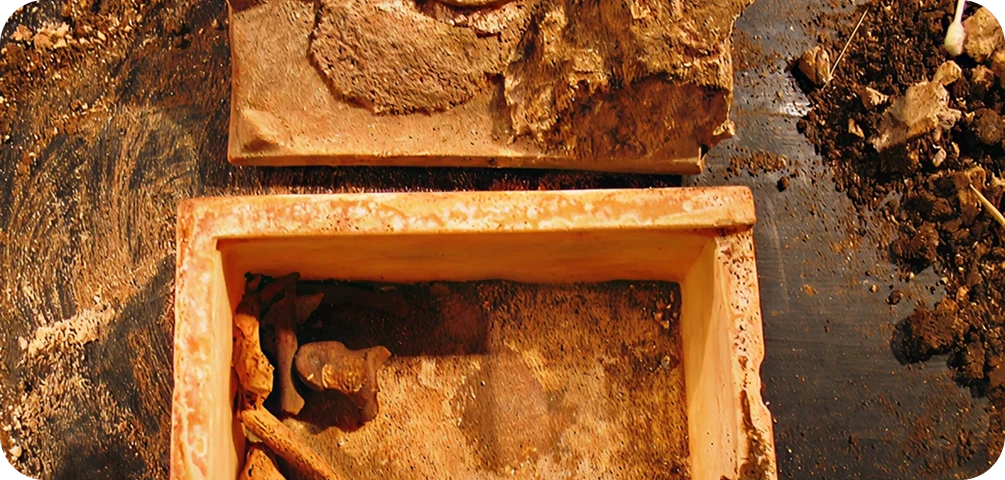
Beneath the altar of the destroyed 5th-century basilica, archaeologists discovered a small reliquary containing fragments of the bones of St. John the Baptist. Near this reliquary, another “travelling reliquary” was found, in which a man named Toma transported the relics from Constantinople to the island.

A tooth, remnants of a hand and a jawbone were found within the authentic alabaster reliquary, sealed with red mortar, which archaeologists discovered during excavations. The saint's remains were located in the altar area of an old monastic complex that existed for 12 centuries and was abandoned by the monks in 1620.
The Southern Fortress Wall and Tower Museum”

The Southern Fortress Wall and Tower Museum”

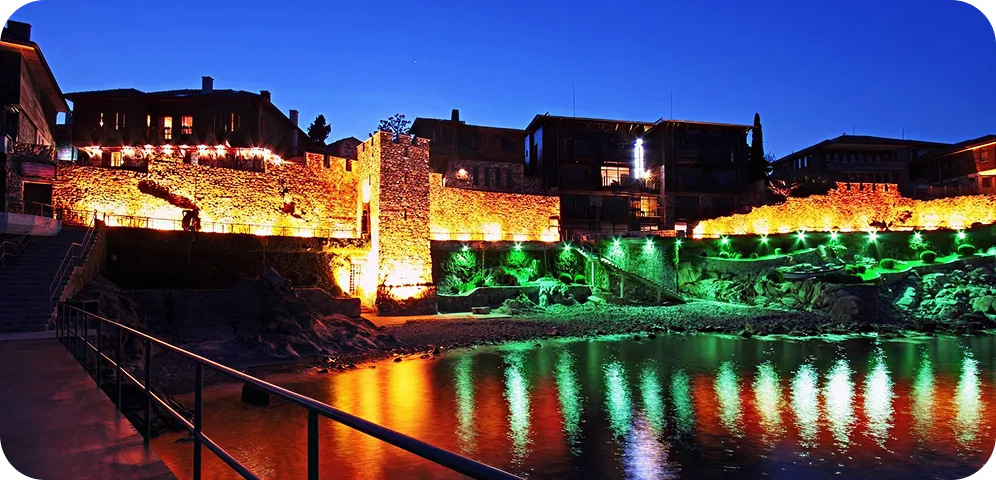
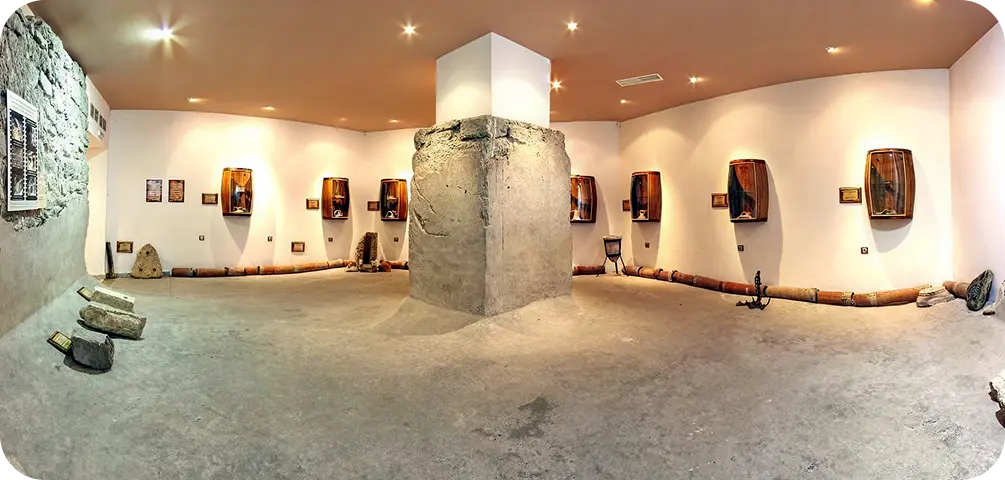
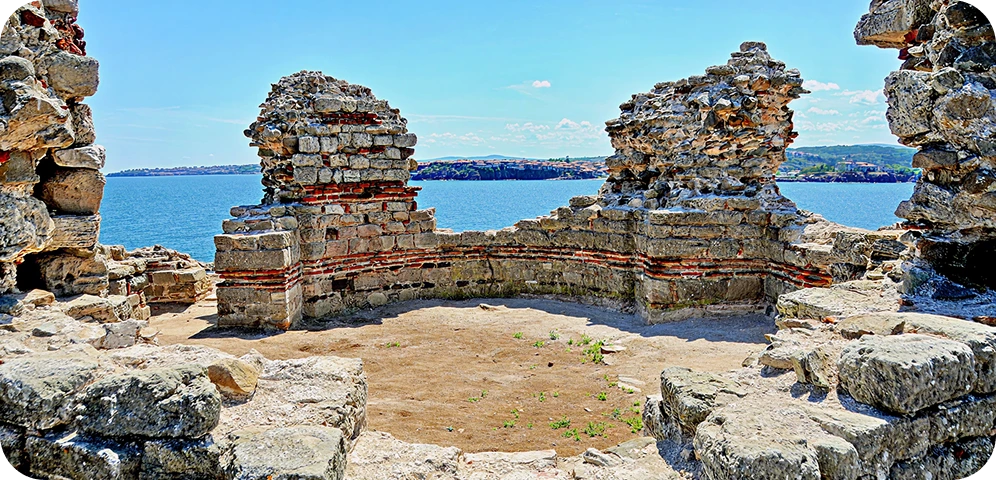
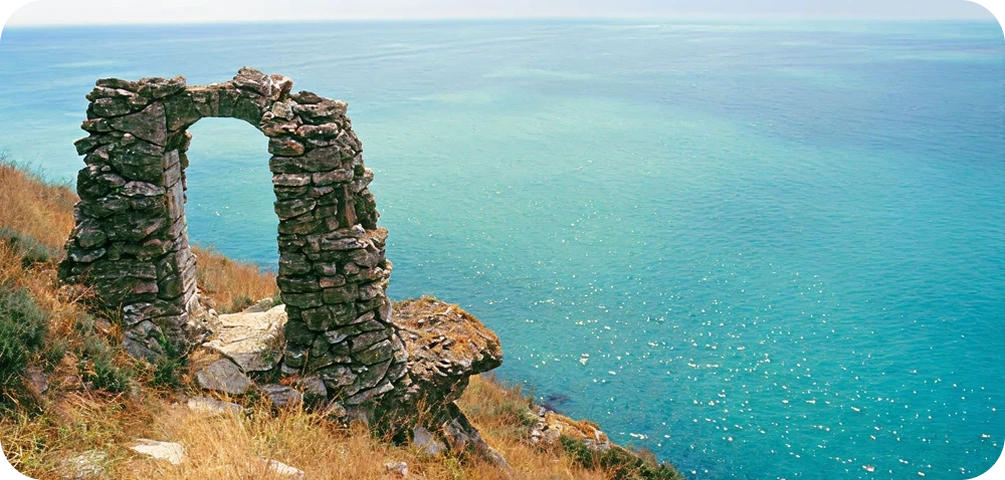
In the old part of the town of Sozopol, the southern fortress wall of the ancient city of Apollonia, which once stood on this site, is preserved to this day. The fortress was built in the mid-5th century and is constructed from limestone blocks. In addition to the wall, a defensive tower, a grain store, a well, and part of the drainage system have also been discovered.

The granary dates back to the 5th-6th century AD, when the city of Sozopol was the largest Black Sea port for grain export. Above the granary were barracks, where the guards of the fortress towers lived. The discovered ancient well dates back to the 4th-3rd century BC. It was part of a cult complex in honour of the “Three Nymphs”. The water supply system in the ancient city of Apollonia was built as early as the 5th century BC.

Archaeological Museum

Archaeological Museum

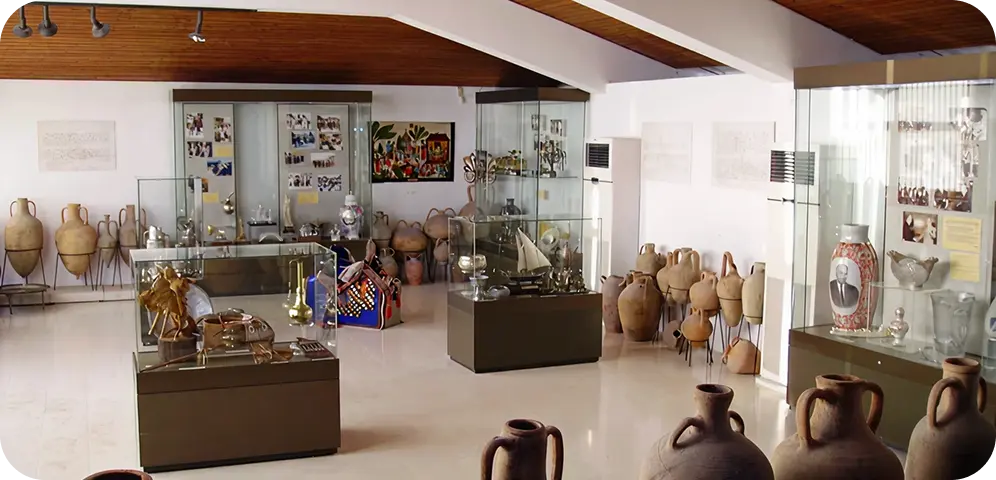
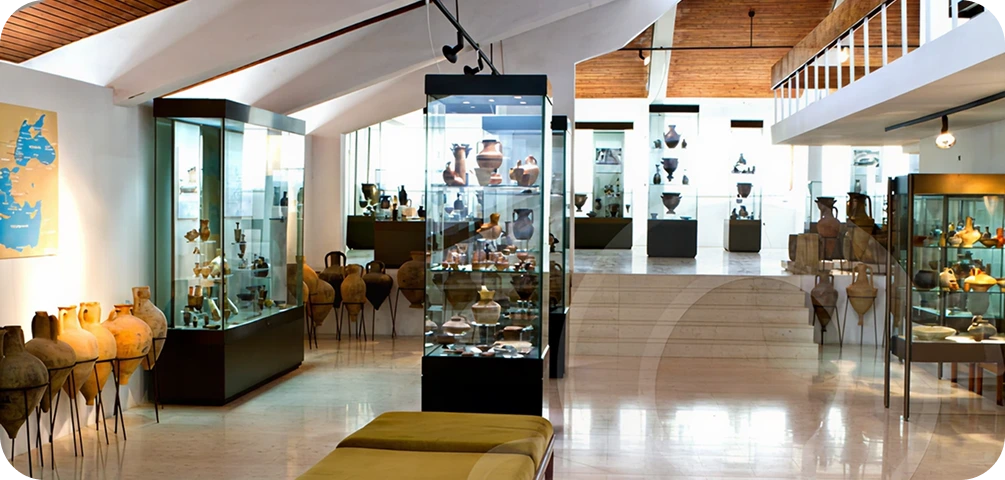
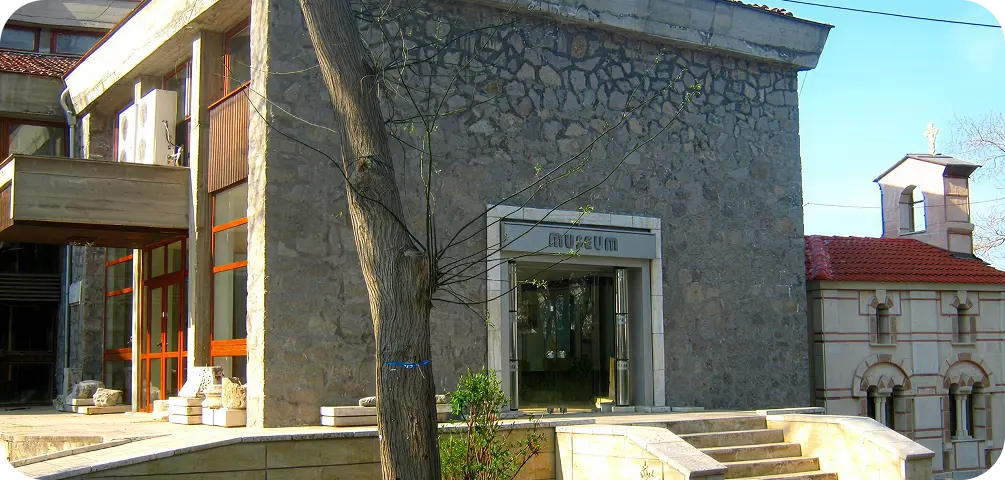
The Archaeological Museum presents the history and thousand-year cultural tradition of the town of Sozopol from the end of the 6th millennium BC to the 17th century AD. Most notable are the collections of stone and lead anchors and daggers – 2nd-1st millennium BC, ancient Greek painted vases – 6th-5th century BC, and ancient and medieval amphorae – 6th century BC – 14th century AD. The museum is structured into two sections: archaeology (5th millennium BC – 17th century AD) and Christian art (17th-19th century).

The Archaeological Museum houses the alabaster reliquary in which the relics of St. John the Baptist were preserved for centuries, and a small box with an inscription in Greek, which tells the story of the relics' journey to St. Ivan Island. .

Art gallery

Art gallery

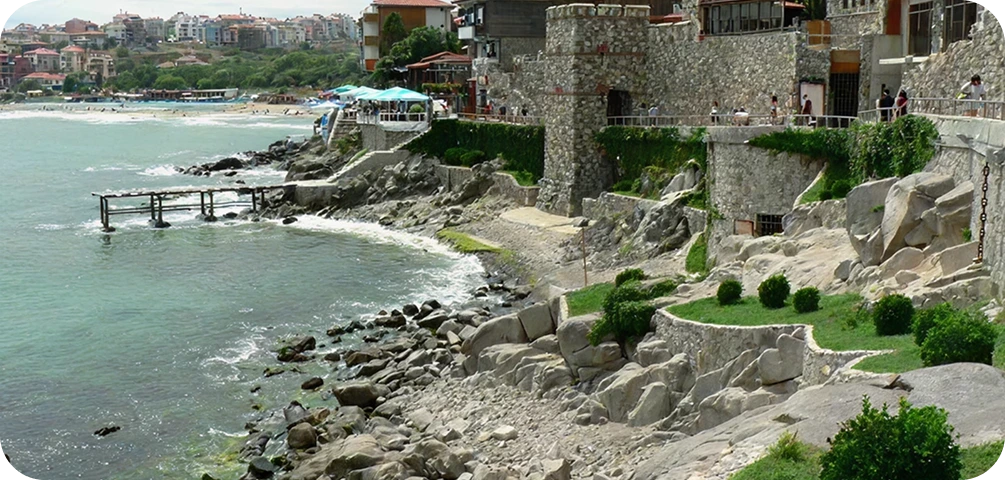
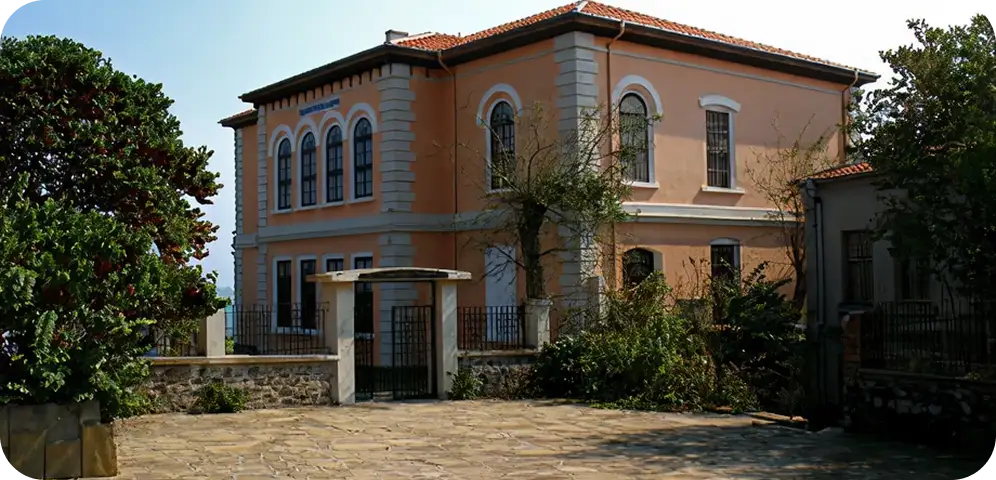
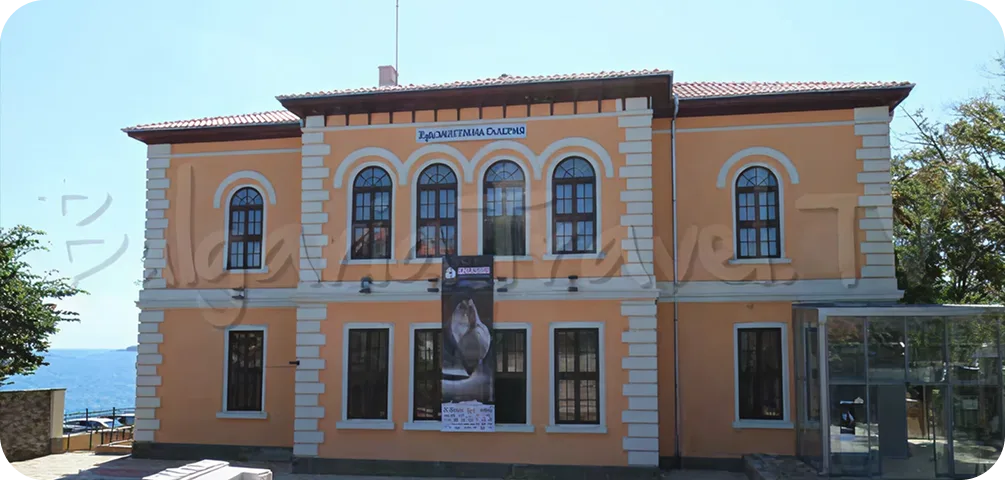
The Art Gallery of Sozopol, also known as the Picture Gallery, was established in 1991. It is housed in the building of the old school „St. St. Cyril and Methodius“ on the street of the same name, at the edge of the old town, overlooking the rocky seashore. The building was constructed over a century ago in the Revival style and is declared a cultural monument. Since its establishment, the gallery has been one of the hosts for Bulgarian and foreign artists during the annual festival of Culture and Arts Holidays Apollonia. The permanent exhibition of the Art Gallery includes 287 works of painting and graphics, including works donated by participants in the International Plein Air painting events for marine artists.

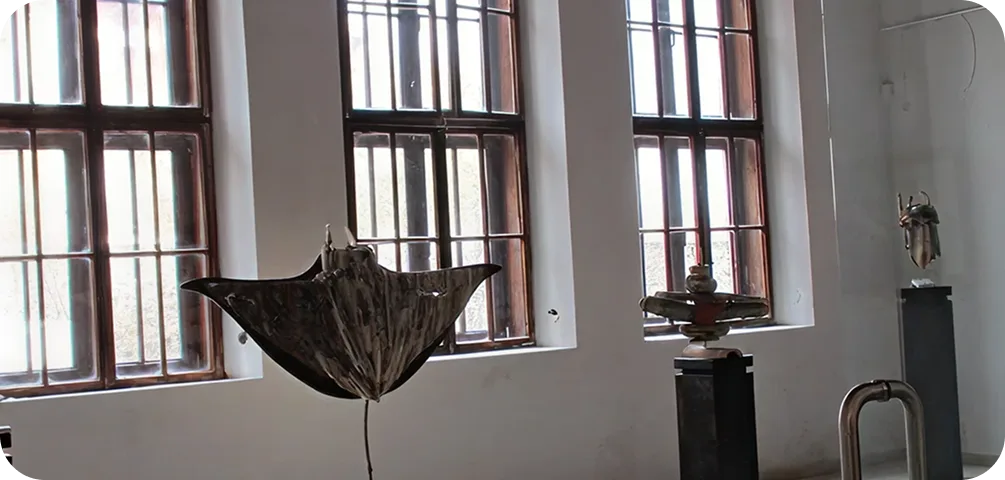
These include works by the famous Sozopol artists Yanni Chrisopoulos and Petar Katerkov, by Alexander Mutafov, who was in love with Sozopol – one of the first Bulgarian marine artists, as well as Georgi Bozhilov-Slona, G. Baev, M. Maslarova, Elsa and Vlado Goevi. The permanent exhibition of the Art Gallery of Sozopol also features around 40 sculptures made of marble, granite, bronze, stoneware, gabro, and woodcarving. Among them are works by Nikolai Shmirgela, Georgi Gyonev, V. Simeonov, P. Petrov. The working hours of the Art Gallery of Sozopol are Monday to Friday from 10:00 AM to 9:00 PM. It is located at 78 “Kiril i Metodiy” Street in Old Sozopol.

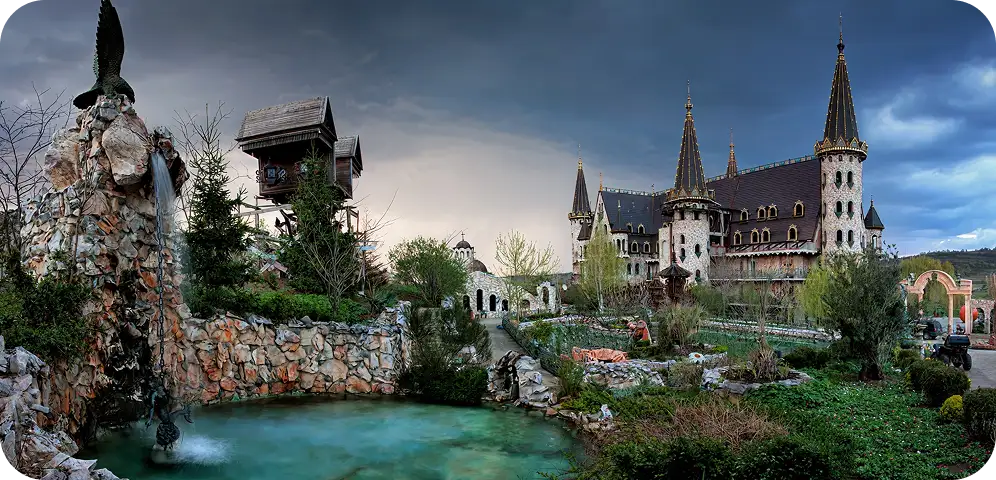
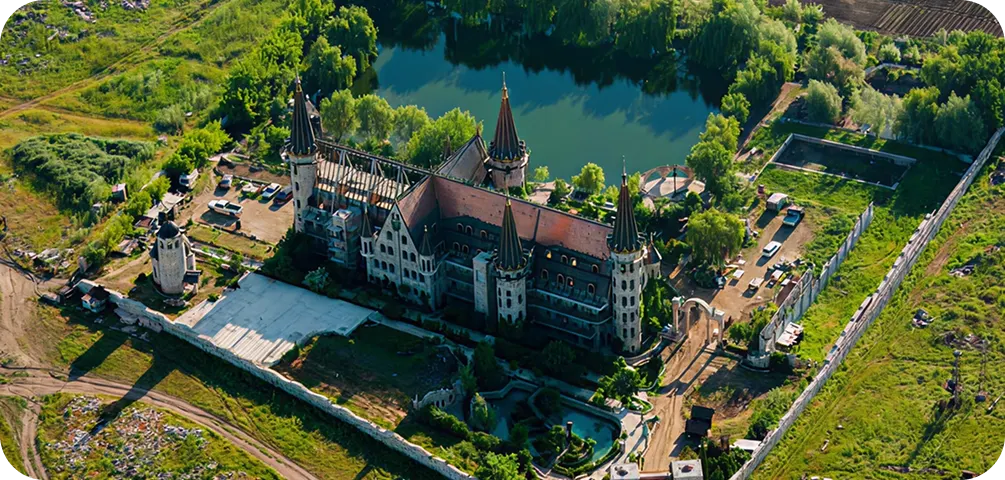
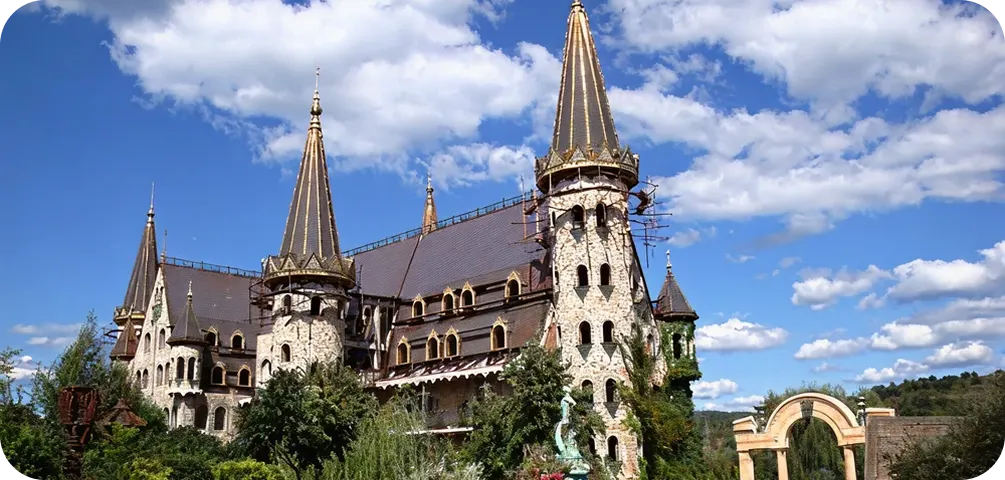
The castle in the village of Ravadinovo, 5 km from Sozopol

The castle in the village of Ravadinovo, 5 km from Sozopol

Agelina Sveta

Agelina Sveta

A rock phenomenon and natural landmark covering 27.20 hectares, 7 km south of Sozopol. It features interesting rock formations with specific flora and fauna. The area is included in the list of natural landmarks and is protected.

Churches and chapels in Sozopol

 Sts. Cyril and Methodius    The Holy Theotokos St George St. Nicholas the Wonderworker St. Nedelya Sts. Constantine and Helena Jesus Christ