
Inheritance, legends, and beauty
Sozopol is one of the oldest towns on Bulgarian lands, and the oldest on our Black Sea coast. It was established as a city more than 2,600 years ago.
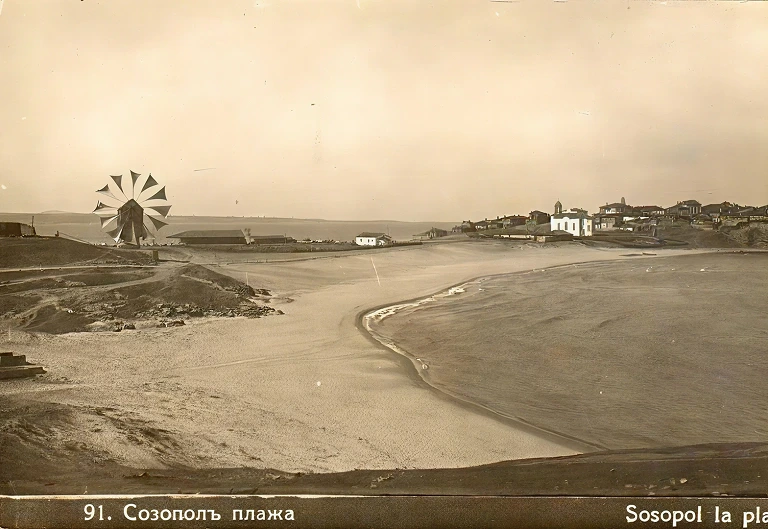
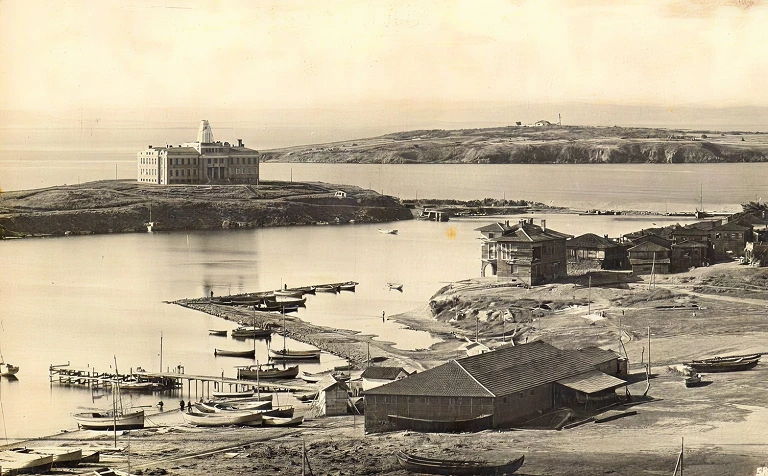
It is situated on a picturesque peninsula. Archaeological finds attest to the Thracians as its first inhabitants. In 610 BC, emigrants from the wealthy city of Miletus – the largest East Greek centre on the Anatolian coast – transformed the old Thracian settlement into a rich Hellenic colony – the independent city-state Apollonia Pontica.
Its strategic position provides it with opportunities to control the approaches to the resource-rich coast of Thracian Black Sea coast and Strandzha and assigns it an active mediating role in trade between the Athenian maritime leagues, the Hellenistic states in the Mediterranean and Thracian formations.
This is a time when culture and art flourish, temples and public buildings are constructed, and exquisite sculpture is created from the Classical period of ancient Greek art. Items made of gold, silver, bronze, and marble are crafted, and coins are minted. Sozopol was particularly famous in antiquity for the Temple of Apollo the Healer, whose 13-metre-high bronze statue was the work of the Athenian sculptor Kalamis.
In 72 BC, the punitive campaign of the Roman legions of Marcus Lucullus against Apollonia, which was an ally of Mithridates IV against Rome, completely destroyed the city's fortress wall, the temple of Apollo, and many other buildings. Only at the beginning of the 4th century, with the great political and ethnic changes in the Roman Empire and the growth of Constantinople in its eastern part, did Apollonia regain its former significance. This is also connected with the new name of the city – Sozopolis, the city of salvation.
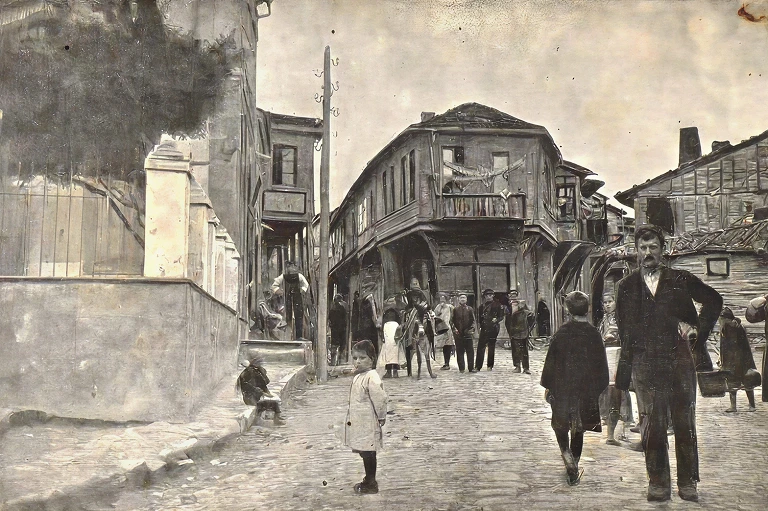
Traditionally a Byzantine city and fortress in the hinterland of the capital Constantinople, Sozopol was briefly incorporated into the Bulgarian state for the first time in 812 AD under Khan Krum. Churches and numerous ancient houses dating from the 18th-19th centuries have been preserved, creating the unique architectural appearance of present-day Sozopol. The old icons and magnificent carved iconostases represent the remarkable achievements of the artistic crafts of that time. Sozopol's Revival houses are of particular interest with their characteristic architecture.